Caustic soda diaphragm pumps are essential equipment used in industries like chemical processing, wastewater treatment, and food production, where they handle harsh, caustic fluids. These pumps are designed to transfer caustic soda and other corrosive liquids, making them crucial for maintaining fluid flow in various applications. However, regular cleaning and maintenance are vital to ensure their long-term performance. Without proper cleaning, the buildup of caustic residues and debris can cause clogging, reduce pump efficiency, and lead to corrosion, ultimately shortening the lifespan of the equipment. Proper maintenance, including periodic cleaning, helps prevent these issues, ensuring smooth operation, reducing downtime, and protecting the pump components from damage. Understanding how to clean these pumps correctly is essential for keeping them in top condition and ensuring the safety and effectiveness of the pumping process.
Over time, caustic soda and other residues can accumulate inside diaphragm pumps, leading to blockages that affect the flow of fluid. When these substances build up, they can obstruct valves, hoses, and the diaphragm itself, causing the pump to work harder and less efficiently. Regular cleaning prevents these clogs, ensuring that the pump operates at its full capacity without unnecessary strain, ultimately reducing the risk of failure and downtime.
Caustic soda is highly corrosive, and residual chemicals left inside the pump after use can cause long-term damage to its components. If not cleaned properly, the corrosive residues can slowly deteriorate the pump’s metal parts, diaphragms, and seals, leading to leaks or total pump failure. Cleaning removes these harmful residues, preventing corrosion and extending the life of the pump by protecting its internal components from damage caused by caustic exposure.
Regular cleaning plays a crucial role in maintaining optimal efficiency of the pump. By removing any buildup or chemical residues, the pump’s moving parts, including the diaphragm and valves, are kept in good condition, allowing them to function smoothly. This ensures consistent fluid flow, reduces energy consumption, and helps maintain the pump’s precision in handling caustic liquids. Routine cleaning
keeps the pump performing at its best, ensuring that it delivers reliable results over time while minimizing the chances of mechanical failure or performance drops.
When cleaning caustic soda diaphragm pumps, safety is paramount. Personal Protective Equipment (PPE) such as gloves, goggles, and protective clothing should be worn to prevent direct contact with caustic soda and cleaning chemicals. Caustic soda can cause skin irritation or chemical burns, and the cleaning solutions used can be equally hazardous. Proper PPE ensures the safety of the operator during the cleaning process.
To effectively clean caustic soda diaphragm pumps, neutralizing agents are essential. Common cleaning agents include vinegar or diluted acid, which help to neutralize the caustic soda residue and break down any remaining buildup. These solutions are safe and effective for cleaning the interior of the pump without damaging its components. It’s important to choose the right cleaning solution to avoid corrosion or wear on the pump parts.
A variety of tools are needed to clean the different parts of the pump. These may include brushes, rags, or scrubbing pads for manually cleaning the diaphragm, valves, and other internal components. Brushes with soft bristles are ideal for scrubbing away stubborn residue without causing damage to the pump parts. For hard-to-reach areas, a flexible brush or small tool may be necessary to ensure thorough cleaning.
Proper disposal of cleaning agents and residues is crucial for safety and environmental compliance. Used cleaning solutions should be disposed of in accordance with local environmental regulations and safety standards. It is recommended to use sealed containers for collecting waste fluids and chemicals, ensuring they are safely stored until they can be disposed of at an authorized disposal facility. Proper disposal prevents contamination and ensures that the cleaning process remains environmentally responsible.
Before starting the cleaning process, set up a safe and clean environment. Make sure the area is well-ventilated to avoid inhaling fumes from cleaning solutions. Lay down protective coverings or absorbent materials to catch any spills. Ensure you have Personal Protective Equipment (PPE), such as gloves, goggles, and protective clothing, to protect yourself from exposure to caustic soda and cleaning agents.
For safety, turn off the pump and disconnect it from any power sources to prevent accidental starts during cleaning. This step is crucial for avoiding electrical hazards or any sudden activation of the pump. Ensure that the pump is isolated from any automated control systems to guarantee no power is running during the cleaning procedure.
Before you begin cleaning, drain any remaining caustic soda or other fluids from the pump system. This is important to prevent contamination during the cleaning process. Use appropriate containers to collect and dispose of the fluids in compliance with environmental and safety regulations. Ensure the pump is completely empty to avoid mixing cleaning agents with any remaining chemicals.
Carefully disassemble the pump by removing the diaphragm, valves, and other parts that require cleaning. Refer to the manufacturer's guidelines for the correct procedure for disassembling each component to avoid damaging any parts. Ensure you remember the order and orientation of components to make reassembly easier later.
Use the appropriate cleaning solutions, such as diluted acid or vinegar, to clean each part of the pump. Focus on areas prone to buildup, such as the diaphragm, valves, and tubing. Use brushes, rags, or scrubbing pads to remove stubborn residues without damaging the pump components. Be thorough, ensuring that all internal and external surfaces are free of caustic soda or debris.
Once all components are clean and thoroughly dried, carefully reassemble the pump. Ensure all parts, including the diaphragm, valves, and seals, are correctly aligned and securely tightened. Double-check for any wear or damage during cleaning, and replace any parts if necessary to ensure optimal performance.
After reassembly, test the pump by running it briefly. Check for proper operation, ensuring smooth performance without any unusual sounds or vibrations. Also, inspect for leaks around the seals or joints and confirm that the pump is functioning correctly. If everything checks out, the pump is now ready for regular use.
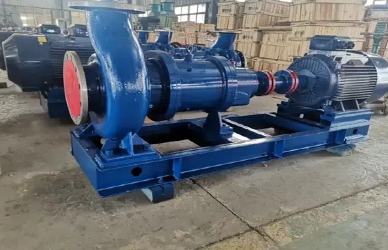
The cleaning frequency depends on the pump's usage and the fluids it handles. For high-use pumps, clean every few weeks; for less frequent use, every few months. Pumps handling caustic soda or harsh chemicals require more frequent cleaning to prevent residue buildup, ensuring continued efficiency and longevity.
Always inspect critical components like the diaphragm, valves, and seals during cleaning. Look for signs of wear, such as cracks, swelling, or buildup. Early detection of issues can prevent costly repairs and keep the pump running smoothly.
Store the pump in a dry, clean area away from moisture and extreme temperatures to avoid corrosion and damage. If stored for a long time, cover the pump to keep it free from dust and contaminants.
No, it's important to use neutralizing agents like diluted acid or vinegar rather than regular cleaning agents. Caustic soda is highly alkaline, and using regular cleaning agents may not effectively neutralize or break down the residues. Neutralizing agents help safely dissolve caustic soda without damaging the pump's components.
The cleaning frequency depends on the pump's usage and the type of materials it handles. For high-use applications, cleaning every few weeks is recommended, while less frequent use may only require cleaning every few months. If the pump handles harsh chemicals like caustic soda, more frequent cleaning helps prevent residue buildup and ensures optimal performance.
If the diaphragm is damaged during cleaning, it’s essential to inspect the damage and replace it if necessary. Look for cracks, swelling, or tears that may affect the pump's ability to function properly. If the diaphragm is still under warranty, contact the manufacturer for replacement options, or purchase a new diaphragm to avoid leaks or failure in future operations.
Yes, there are environmental considerations when cleaning these pumps. Proper disposal of cleaning agents and caustic residues is essential to comply with environmental regulations. Collect used solutions in sealed containers and dispose of them at authorized disposal facilities. Always follow local regulations to ensure that cleaning waste is handled safely and responsibly.
Regular cleaning is essential for maintaining the efficiency, lifespan, and safety of caustic soda diaphragm pumps. By following the recommended cleaning procedures, such as using the proper neutralizing agents and performing routine inspections, you can prevent clogging, corrosion, and wear on critical components like diaphragms and valves. This proactive approach ensures smooth operation, reduces downtime, and extends the pump's service life. Establishing a regular maintenance routine not only helps keep the pump running at peak performance but also minimizes the risk of costly repairs or replacements. For long-term reliability and optimal performance, it’s crucial to prioritize cleaning and maintenance as part of your pump care strategy.