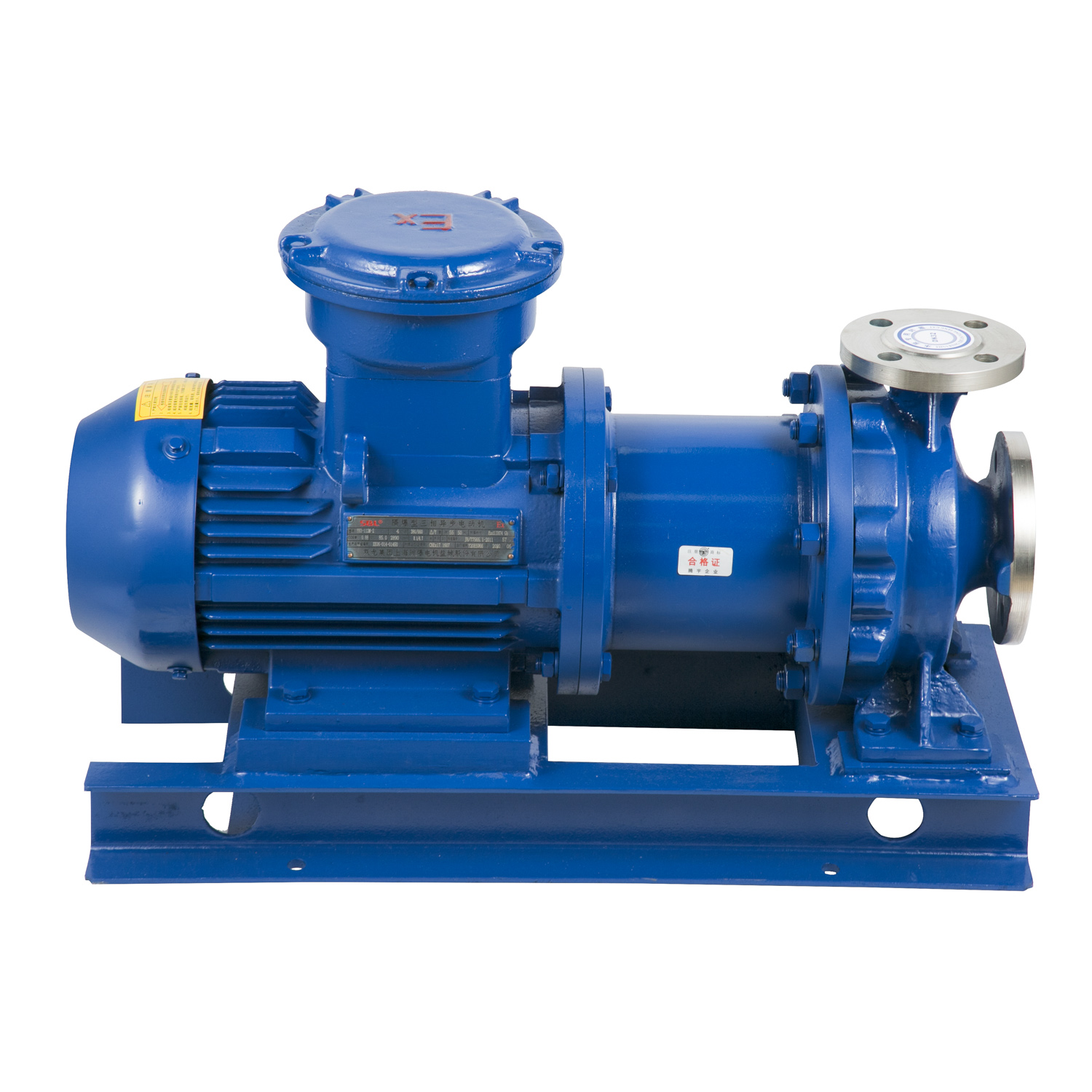
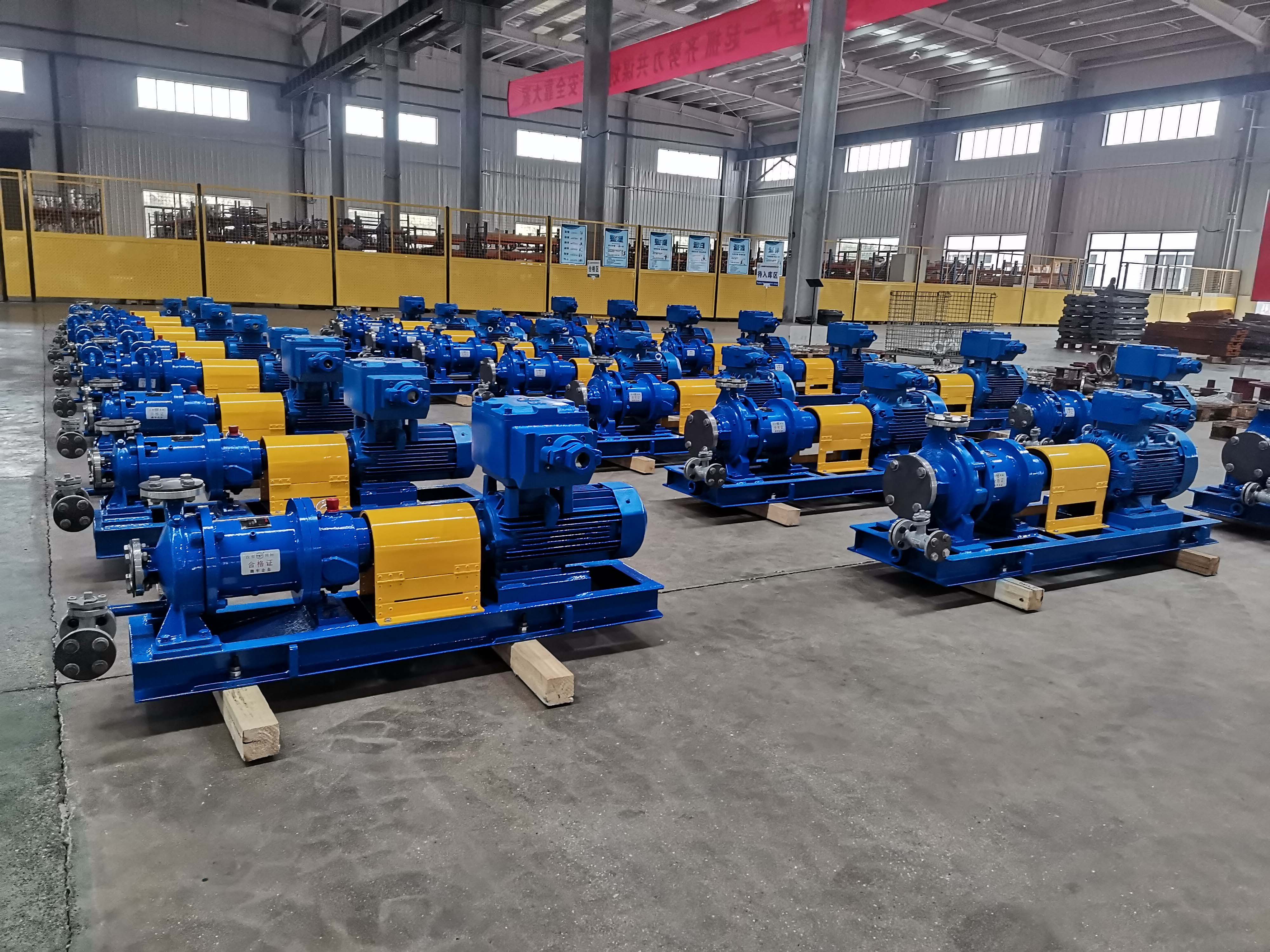
Yes, absolutely. The core design eliminates the mechanical seal entirely by using a hermetically sealed containment shell and a magnetic coupling to transmit power. This creates a permanent physical barrier against leakage, making these pumps exceptionally suitable for handling hazardous, expensive, or environmentally sensitive fluids.
Their enhanced safety stems from the fundamental "seal-less" design. By removing the primary failure point—the mechanical seal—they eliminate the risk of fluid leaks. This is critical when pumping flammable, toxic, or aggressive chemicals, ensuring compliance with stringent safety regulations in industries like chemicals and pharmaceuticals.
Material selection depends on the chemical composition, concentration, and temperature of your fluid. We offer a complete range from cost-effective carbon steel and stainless steels (304/316L/duplex) to full plastic or fluoropolymer lining (PP, F46, PFA). Our application engineers provide complimentary analysis to recommend the optimal and most economical solution for your specific conditions.
Yes, with proper selection. Successful operation depends on particle size, concentration, and hardness. Please provide detailed fluid characteristics during the selection process for a tailored recommendation.
No, it must never be allowed. Dry running is the most common cause of failure. The pumped fluid provides essential lubrication and cools the heat generated by magnetic eddy currents. Operating without fluid will quickly lead to overheating, demagnetization of the drive components, and potential damage to the containment shell. We strongly recommend using a dry-run protection device.
Demagnetization is primarily caused by excessive heat. This can result from dry running, handling fluid beyond the pump's rated temperature, or continuous operation outside the recommended performance curve (e.g., at very low flow). Prevention is key: ensure the pump is always primed, strictly avoid dry running, operate within specified limits, and consider optional temperature monitoring safeguards.
Maintenance is significantly simpler. There are no mechanical seals or seal-related parts to replace or adjust. Routine care involves monitoring general health (vibration, temperature), ensuring any cooling features are clear, and checking for line blockages. This translates to lower lifetime maintenance costs and reduced downtime.
A modern, well-designed magnetic drive pump offers hydraulic efficiency comparable to standard centrifugal pumps. While there is a minimal power loss through the magnetic drive, this is offset by excellent hydraulic design and reduced mechanical friction. The overall operational efficiency is high, leading to significant energy savings. The major advantage remains the elimination of product and energy waste from leaks.