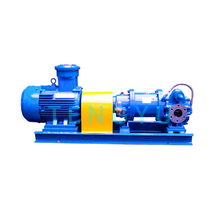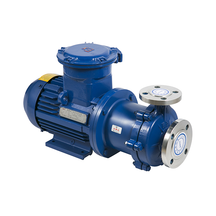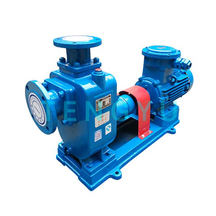
Traditional mechanical seals inevitably wear out over time. They create a persistent risk of fluid leaks and environmental fines. Unscheduled downtime also damages overall plant productivity. You handle hazardous, corrosive, or high-value fluids every day. Mechanical seal failure is not an "if" but a "when" in these demanding environments. The main challenge is achieving true fluid containment. You must do this without sacrificing your pumping efficiency.
The magnetic drive pump completely eliminates the physical shaft penetrating the pump casing. It replaces this vulnerable connection using an advanced magnetic coupling system. This approach achieves genuinely leak-free operation. This guide breaks down the engineering behind these pumps. We explore their strict operational boundaries, maintenance requirements, and alternative technologies.
Zero Leakage Guarantee: By eliminating mechanical seals, magnetic drive pumps protect against EPA/EHS violations, hazardous spills, and product loss.
Strict Operational Boundaries: They require clean liquids; dry running, cavitation, or large solids will cause rapid decoupling or catastrophic bearing failure.
TCO Advantage: Higher upfront procurement costs are frequently offset within 12–18 months through eliminated seal maintenance, reduced downtime, and lower compliance risks.
Material Limitations: Pump selection must carefully balance fluid temperature and magnet material (e.g., Neodymium vs. Samarium Cobalt) to prevent irreversible demagnetization.
Direct mechanical shafts require a hole through the pump casing. Engineers use mechanical seals to close this gap. These seals experience constant friction. They eventually degrade. A magnetic coupled pump changes this design completely. It transfers torque across a stationary solid barrier. Two synchronized magnet assemblies manage this power transfer.
Understanding this technology requires looking inside the unit. Standard designs feature three primary components:
Outer Magnet Assembly (Drive): The electric motor connects directly to this outer ring. The motor turns the assembly. This action generates a powerful, rotating magnetic field outside the fluid zone.
Containment Shell (Isolation Barrier): This part hermetically seals the fluid chamber. It sits entirely between the two magnet rings. Manufacturers build this shield using non-magnetic materials. Common options include polypropylene (PP), ETFE, PFA-lined steel, or Hastelloy. It perfectly blocks fluid escape.
Inner Magnet Assembly (Driven): This component sits fully submerged inside the fluid. It attaches directly to the pump impeller. The inner magnets follow the rotating field generated by the outer assembly. The impeller spins. Fluid moves through the system.
The space between the inner and outer magnets dictates overall performance. We call this the air gap. The precise distance determines torque transfer efficiency. A tight gap creates a stronger magnetic lock. However, a tight gap restricts fluid flow around the inner bearings.
Engineers must balance this gap carefully. Metallic containment shells complicate this calculation. Rotating magnetic fields pass through metal barriers. This induces electrical currents inside the metal. We call these eddy currents. Eddy currents generate significant heat. The pumped fluid must absorb and carry away this heat. Plastic or composite shells eliminate eddy currents entirely. This keeps the fluid much cooler during operation.
Upgrading your infrastructure requires clear justification. You must weigh the operational benefits against strict implementation risks. Let us examine both sides.
These units offer massive operational advantages for chemical processors. The primary benefits center around safety and reliability.
Leak-Free Pump Reliability: A leak free pump eradicates massive maintenance expenses. You stop buying replacement mechanical seals. You eliminate complex barrier fluid systems. Maintenance teams spend zero time cleaning up toxic spills.
EHS Compliance: Regulatory agencies strictly monitor industrial emissions. Volatile organic compound (VOC) leaks trigger severe fines. Sealless designs trap all toxic fumes inside. You eliminate regulatory risks entirely.
Eliminated Misalignment: Direct-drive pumps suffer from shaft misalignment. Thermal expansion bends metal components. Bearings wear out prematurely. Magnetic couplings remove the physical link. Minor motor shifts no longer destroy the pump bearings.
Engineers must understand the implementation risks. These units demand excellent process control. Ignoring these limits guarantees catastrophic failure.
Zero Tolerance for Dry Running: The pumped fluid lubricates the internal bearings. Removing the fluid removes the lubrication. Running dry causes instant friction. Ceramic or silicon carbide bearings heat up rapidly. They shatter within minutes. Only specialized auxiliary cooling channels permit brief dry operation.
Solids Handling Restrictions: Manufacturers design these units almost exclusively for clean fluids. The gap between the inner magnet and the shell is tiny. Abrasive particulates trap themselves inside this gap. They scrape the containment shell. Friction destroys the barrier quickly.
Decoupling (Magnet Slip): Every magnetic coupling possesses a maximum torque rating. Extreme fluid viscosity overloads this limit. Sudden system blockages also spike the torque. The magnetic bond breaks under extreme stress. The motor continues spinning rapidly. The impeller stops dead. We call this decoupling. It requires an immediate system shutdown.
Plant managers often debate between different sealless and sealed technologies. Each design serves specific operational realities. Comparing them directly clarifies your purchasing decision.
Mechanical seals handle abusive environments better. They easily pump higher temperatures, heavier viscosities, and larger solids. However, they will eventually leak. It is unavoidable physics. Mag drives offer absolute zero leakage. But they demand strict process control. You must provide clean liquids. You must ensure flooded suction constantly.
Both technologies eliminate mechanical seals entirely. Canned motor pumps integrate the motor and pump head together. They are highly compact. They feature double containment shells. This makes them exceptionally safe for lethal fluids. However, a motor failure ruins the entire unit. You must replace the whole machine. Mag drives separate the motor from the pump head. You can swap a burned-out motor cheaply. The pump head remains untouched.
Electric Operated Double Diaphragm (EODD) pumps excel in rough conditions. Choose EODD if your process requires self-priming. They also handle dry-running perfectly. They push heavy sludge and solids easily. Choose a mag drive for smooth, pulsation-free flow. Mag drives offer significantly higher energy efficiency. They dominate clean chemical transfer applications.
Pump Technology | Zero Leakage Guarantee | Solids Handling | Dry-Run Capability | Best Application |
|---|---|---|---|---|
Magnetic Drive | Yes | Poor (Clean fluids only) | No (Unless specially modified) | Clean, hazardous, or high-value chemicals |
Mechanical Seal | No (Micro-leaks expected) | Good to Excellent | Limited | General water, heavy slurries, high heat |
Canned Motor | Yes (Double containment) | Poor | No | Extremely lethal or volatile fluids |
EODD | Yes (Depending on diaphragm) | Excellent | Yes | Self-priming duties, slurries, variable flow |
Certain industries cannot tolerate a single drop of fluid escaping. The sealless pump design becomes mandatory in these precise scenarios.
Hazardous Chemical Processing: Refineries pump aggressive acids and concentrated alkalis daily. Human exposure causes severe injuries. Environmental release triggers immediate shutdowns. True hermetic sealing protects workers completely.
High-Value Fluid Transfer: Pharmaceutical plants move expensive active pharmaceutical ingredients (APIs). Gold and silver recovery systems pump precious metal solutions. Every lost liter directly reduces corporate profits. Zero leakage ensures maximum product yield.
Crystallizing & Reactive Fluids: Many chemicals react violently upon contacting atmospheric moisture. Isocyanates crystallize instantly when exposed to air. Mechanical seal faces naturally expose a tiny fluid layer to the atmosphere. The fluid hardens. It destroys the seal faces. Closed magnetic systems eliminate air contact entirely.
Niche Industrial Uses: Electroplating operations require perfectly clean baths. Any outside grease ruins the plating finish. High-purity semiconductor manufacturing demands absolute zero contamination. Removing the mechanical seal removes a major contamination source.
Improper sizing destroys equipment rapidly. You must analyze your system parameters before installation. Focus heavily on suction conditions and fluid temperatures.
Engineers must understand the relationship between NPSHA and NPSHR. Net Positive Suction Head Available (NPSHA) represents your system pressure. Net Positive Suction Head Required (NPSHR) represents the pump's minimum demand. Your NPSHA must significantly exceed the NPSHR.
Failing to maintain this balance causes cavitation. The fluid pressure drops below its vapor pressure. Small vapor bubbles form inside the liquid. These bubbles travel into the impeller. They collapse violently. This collapse removes the lubricating fluid film from the bearings. Localized heating occurs instantly. The bearings shatter. You must keep the suction flooded and pressurized.
Thermal management is critical for magnetic couplings. Excess heat damages casings and destroys magnetic fields permanently.
Plastic vs. Metal Casings: Standard polymeric pumps utilize polypropylene or PVDF. They operate comfortably up to 80–95°C. Exceeding this softens the plastic. The casing warps. For temperatures above 100°C, you must specify metal casings. PFA-lined ductile iron offers excellent chemical resistance alongside structural rigidity.
Magnet Material Selection: The internal magnets face extreme thermal stress. You typically choose between two rare-earth materials.
Neodymium Iron Boron (NdFeB): These magnets provide incredible strength. They cost less to manufacture. However, they possess lower temperature thresholds. High heat permanently weakens their magnetic charge.
Samarium Cobalt (SmCo): These magnets cost significantly more. They offer slightly lower baseline strength. But they exhibit outstanding thermal stability. They handle extremely hot fluids safely.
Breaching the specific thermal limit of your magnets causes irreversible demagnetization. The pump will decouple permanently. You will need to buy a completely new inner rotor.
These units run flawlessly for years under ideal conditions. Establishing strict standard operating procedures (SOPs) ensures this longevity. Focus your team on active monitoring and gentle inspections.
You cannot see inside the containment shell. You must rely on external instrumentation to monitor pump health.
Active Power Monitoring: Install an intelligent power monitor on the motor control center. This device measures true power consumption constantly. It detects underload conditions instantly. Underload means the pump ran dry or cavitated. It also detects overload conditions. Overload means the torque spiked and decoupling occurred. The monitor automatically trips the motor power in milliseconds. This saves the internal bearings from heat destruction.
Schedule proactive maintenance during planned plant outages. Train your technicians to handle fragile internal components carefully.
Magnetic Strength Testing: Thermal degradation happens slowly over time. Technicians should use a Gauss meter during scheduled teardowns. They measure the inner magnet's field strength. Comparing this reading to baseline factory data reveals hidden thermal damage. You can replace weakening magnets before they decouple during production.
Containment Shell Cleaning: Chemical scaling acts like thermal insulation. It traps eddy current heat inside the shell. Establish strict protocols for dismantling the wet end safely. Technicians must use gentle, non-abrasive chemical cleaners. Scrubbing with hard tools scratches the plastic lining. A clean shell ensures proper heat dissipation.
Vibration Analysis: These sealless designs run incredibly smoothly. Any new noise indicates a problem. Monitor for subtle acoustic changes. Vibration shifts point to early bearing wear. Address these warnings immediately. Replacing worn bearings is cheap. Replacing a shattered containment shell is expensive.
Magnetic drive pumps provide unmatched safety for modern chemical facilities. They are not universal replacements for all centrifugal designs. However, they dominate processes where leakage is totally unacceptable. Eliminating the mechanical seal solves major compliance, safety, and reliability challenges.
Before requesting a technical sizing quote, take these action steps:
Audit your current mechanical seal maintenance costs over the past three years.
Verify the exact solid content and maximum viscosity of your pumped fluid.
Calculate your system's precise NPSHA to ensure adequate suction pressure.
Determine the absolute maximum temperature your process might reach during an upset condition.
Gathering these metrics guarantees you select a robust, perfectly optimized pumping solution.
A: Standard models cannot run dry. The pumped fluid must lubricate the internal bearings. Without fluid, intense friction builds up instantly. The ceramic or silicon carbide bearings will shatter within minutes. Some specialized units feature patented cooling channels or active dry-run monitors to survive brief dry periods, but avoiding dry operation is always best practice.
A: Decoupling happens when torque exceeds magnetic strength. The motor spins while the impeller stops. To fix this, shut down the motor immediately. Allow the fluid and magnets to cool down. Restarting the motor slowly will typically re-engage the magnetic coupling. However, you must identify and fix the root cause of the overload, such as high viscosity or a blocked pipe.
A: These units typically handle lower viscosities. Most engineers limit them to fluids under 150-200 cP. High viscosity severely increases the torque requirements. Excessive torque stresses the magnetic bond. This increases the risk of magnet slip and decoupling. For highly viscous sludge or syrup, mechanical seal pumps or EODD pumps perform much better.
A: Rare earth magnets are incredibly durable. Assuming the pump operates strictly within its designated temperature limits, the magnets will essentially last the lifetime of the pump. They do not lose significant charge over time. However, exposing them to extreme heat above their rating will cause irreversible demagnetization.