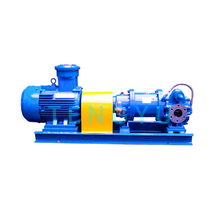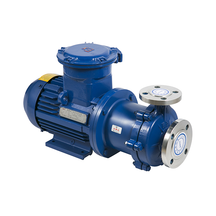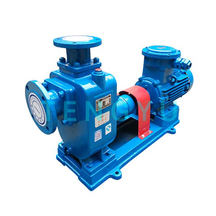
Magnetic drive pumps are highly valued for their leak-free operation, energy efficiency, and reliability in various industries where handling hazardous or corrosive fluids is a critical concern. These pumps are designed to operate safely without the risk of leakage, ensuring smooth and efficient fluid transfer in demanding applications. However, like all mechanical systems, magnetic drive pumps are susceptible to common issues such as loss of magnetic coupling, leakage, overheating, and cavitation. These problems can often be prevented or resolved through regular maintenance and proper troubleshooting. Understanding the causes of these issues is crucial to ensuring the pump’s longevity, optimal performance, and minimizing costly downtime.
The loss of magnetic coupling is one of the most serious issues that can affect the performance of a magnetic drive pump, potentially leading to complete pump failure or significantly reduced performance. This problem occurs when the magnetic connection between the motor and the impeller weakens or disconnects, causing the pump to stop functioning as intended.
Causes:
Incorrect alignment during installation, which can misalign the magnets and disrupt their coupling.
Wear and tear on the magnets over time, especially if the pump has been used in high-pressure or high-temperature environments.
Overheating of the magnets, causing them to lose their magnetic properties and, ultimately, their ability to drive the impeller.
Solutions:
Regularly inspect the magnets for signs of wear, damage, or misalignment.
Ensure proper alignment during installation and avoid subjecting the pump to excessive pressures or heat.
Use pumps within the recommended operating conditions to prevent overheating and prolong the life of the magnetic coupling.
While magnetic drive pumps are designed to be leak-free, issues can still arise, leading to fluid leakage, which defeats one of the primary benefits of these pumps. Leakage can compromise safety, especially when handling hazardous or corrosive fluids.
Common Causes:
Cracks in the casing due to impacts or material defects, allowing fluid to escape.
Worn-out components such as seals, gaskets, or the casing itself, which can degrade over time.
Improper sealing during installation or maintenance that leads to ineffective sealing of the pump components.
Solutions:
Ensure proper installation by following the manufacturer’s guidelines to prevent misalignments or faulty seals.
Conduct periodic inspections to identify cracks, wear, or signs of degradation in the casing and seals.
Replace worn-out components immediately and ensure all seals are functioning correctly to prevent leakage and maintain safety.
Overheating is a frequent issue that can cause significant damage to the motor, impeller, and other pump components. When a pump runs at elevated temperatures, it can lead to reduced efficiency and eventually failure.
Common Causes:
Excessive fluid viscosity, which makes it more difficult for the pump to move the fluid efficiently, causing the motor to work harder and overheat.
Incorrect flow rate, where the pump is either running too slow or too fast, causing it to operate inefficiently and generate excessive heat.
Blocked intake or insufficient cooling, which prevents the pump from circulating fluid properly and dissipating heat effectively.
Solutions:
Ensure the pump is operating within the correct flow conditions for the specific fluid being handled. Check for appropriate viscosity levels and adjust as needed.
Monitor the flow rate to ensure the pump is running within its optimal range to prevent overheating.
Regularly check for blockages in the intake and ensure the pump has proper ventilation and cooling to avoid overheating.
Cavitation occurs when air bubbles form inside the pump, typically due to low inlet pressure or excessive suction, and collapse as they pass through the pump. This phenomenon can cause impeller damage, vibration, and a reduction in efficiency.
Common Causes:
Low inlet pressure that prevents the pump from drawing in the required amount of fluid.
Excessive suction that creates a vacuum effect, drawing air into the pump instead of just the fluid.
High fluid temperature, which can cause the fluid to vaporize, leading to the formation of bubbles inside the pump.
Solutions:
Adjust the suction pressure to ensure proper fluid intake and prevent air from entering the system.
Control the flow rates to avoid excessive suction and reduce the likelihood of cavitation.
Ensure the fluid is maintained at the appropriate temperature to avoid vaporization, and monitor the pump’s performance to avoid cavitation.
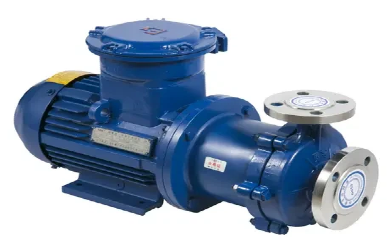
Routine maintenance is crucial to ensure the long-term performance and reliability of your magnetic drive pump. Regular inspections help detect early signs of wear and tear on components such as the magnets, seals, and bearings, preventing more serious issues down the line. Key maintenance practices include:
Inspecting the pump for any visible damage or unusual wear on the magnetic coupling and other moving parts.
Ensuring proper alignment of the motor and impeller to prevent loss of magnetic coupling and reduce the risk of overheating.
Checking for lubrication issues, especially in parts like the bearings or motor, as improper lubrication can cause friction and damage to components.
By staying on top of maintenance, you can prevent problems like cavitation, overheating, and loss of magnetic coupling, ensuring that your pump operates efficiently for longer periods.
Proper installation is one of the most important steps in preventing future pump problems. An incorrectly installed magnetic drive pump can lead to misalignment, leakage, and overheating, which could cause pump failure. To ensure proper installation:
Follow the manufacturer’s guidelines to ensure the pump is correctly aligned with the motor and piping.
Ensure the pump casing is tightly sealed and that all gaskets and seals are properly installed to avoid leakage.
Pay close attention to inlet conditions, ensuring that the fluid enters the pump at the right pressure and flow rate, which prevents cavitation and overheating.
Proper installation is essential for maximizing the pump’s performance and avoiding unnecessary repairs or replacements.
Using a monitoring system is an effective way to track your magnetic drive pump’s performance in real-time, helping you identify potential issues before they become serious problems. Monitoring systems can detect:
Vibration levels, which could indicate imbalances or cavitation in the pump.
Temperature changes, helping to detect overheating or fluid viscosity problems.
Flow rate fluctuations, which could signal issues with suction pressure or blockages in the intake.
By integrating a monitoring system into your operations, you can identify performance irregularities early, allowing for quick corrective action. This proactive approach helps in scheduling preventive maintenance, reducing the risk of unexpected downtime and ensuring your pump operates at peak efficiency.
Loss of magnetic coupling can lead to reduced pump performance or failure when the connection between the motor and impeller is disrupted.
Troubleshooting Steps:
Check alignment: Ensure proper alignment of the motor and impeller.
Inspect magnets: Look for signs of wear or damage on the magnetic coupling.
Ensure proper installation: Verify correct installation to prevent mechanical stress on the coupling.
Leakage can occur due to worn seals, cracks in the casing, or improper assembly, compromising the pump’s leak-free operation.
Troubleshooting Steps:
Inspect seals: Check for wear, cracking, or improper seating.
Check the casing: Look for cracks or damage in the pump casing.
Verify assembly: Ensure all components were properly assembled during installation.
Overheating typically occurs from incorrect flow conditions, blockages, or insufficient cooling.
Troubleshooting Steps:
Check flow rate: Ensure the pump is receiving the correct flow rate.
Inspect for blockages: Check intake and discharge lines for clogs or obstructions.
Verify cooling: Ensure proper ventilation and functioning cooling systems.
Cavitation occurs when air bubbles form and collapse inside the pump, reducing efficiency and causing damage.
Troubleshooting Steps:
Reduce suction pressure: Ensure suction pressure is adequate to avoid air intake.
Adjust flow rate: Correct high flow rates that may cause excessive suction.
Check for air leaks: Inspect for air leaks that could introduce air into the system.
Magnetic drive pumps are ideal for many fluids, but they may struggle with highly viscous or non-Newtonian fluids. These fluids can cause inefficiency or damage to the pump. For such fluids, it’s important to choose a pump designed for higher viscosity or consult the manufacturer for specific recommendations.
Overheating usually occurs due to incorrect flow rates, clogs, or insufficient cooling. To prevent it, ensure the pump operates at the correct flow rate, regularly check for blockages, and ensure proper ventilation or cooling.
Signs of cavitation include unusual noises (like a "gravel" sound), vibration, and reduced performance. To prevent cavitation, check and adjust suction pressure, flow rates, and ensure no air is entering the system.
If your pump leaks, check the seals, gaskets, and casing for cracks or damage. Replace worn seals and repair or replace any cracked casing to stop the leakage. Ensure proper installation to prevent future leaks.
To ensure the optimal performance and longevity of your magnetic drive pump, it’s crucial to understand and address the common problems that can occur, such as overheating, cavitation, and leakage. By staying on top of maintenance, following proper installation procedures, and troubleshooting issues like incorrect flow rates or suction pressure, you can minimize downtime and maximize the efficiency of the pump. Proactive measures, such as regular inspections and prompt action when problems arise, will help you maintain a reliable and effective pump that performs well for years to come.