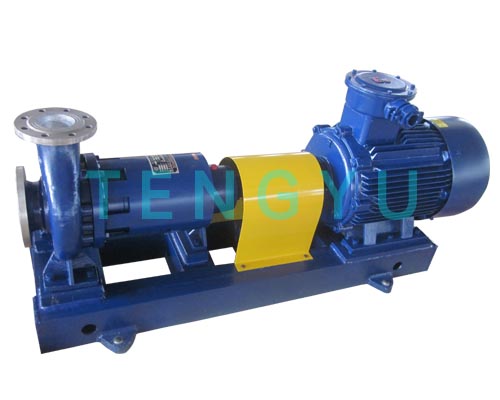
Unplanned downtime in hazardous petrochemical operations presents severe safety risks. It also causes immediate revenue leaks. Degraded flow disrupts entire downstream production cycles. Sealless systems rely on magnetic coupling rather than direct mechanical linkages. This unique design eliminates leak paths entirely. However, diagnosing performance drops requires analyzing both hydraulic and magnetic variables simultaneously. This dual nature makes troubleshooting highly complex. Plant operators often face recurrent failures. They encounter issues like dry running or thermal demagnetization repeatedly before identifying the true root cause. Upgrading an aging infrastructure demands precise technical evaluation. Transitioning from identifying persistent failure points to proactively specifying a robust replacement system becomes essential. You must engineer this new system for exact process realities. Readers will learn how to identify primary failure modes accurately. You will evaluate system mismatches affecting fluid dynamics. We will explore how to apply rigorous engineering standards for permanent reliability. You will discover actionable strategies to upgrade your rotating equipment. This approach ensures optimal safety and secures long-term operational stability.
Unresolved performance issues directly hit facility profitability. Incremental flow rate drops severely lengthen chemical processing times. A minor discharge pressure drop cascades quickly into reduced batch yields. Facilities eventually produce off-spec products. Engineers spend valuable hours recalibrating downstream equipment. Process inefficiencies create massive bottlenecks across the entire plant floor.
Safety frameworks rigorously govern operations in explosive atmospheres. ATEX directives dictate strict compliance for equipment handling hazardous materials. The Environmental Protection Agency (EPA) heavily penalizes fugitive emissions. Volatile organic compounds require absolute containment. Standard mechanical seals degrade over time and eventually leak. Sealless units prevent these environmental hazards. They achieve absolute containment, but only if they operate optimally. Breaching a thin containment shell in a highly volatile environment causes catastrophic chemical releases. Localized fluid boiling inside the casing poses severe explosive risks.
Maintenance teams waste substantial labor hours addressing recurrent breakdowns. They repeatedly replace degraded internal rotors. Frequent teardowns expose technicians to hazardous fluids unnecessarily. Investing in a properly engineered magnetic drive oil chemical process sealless solution prevents these dangerous repair cycles. Upgraded systems stabilize production parameters. You eliminate persistent mechanical maintenance burdens entirely. A reliable system ensures continuous operation and protects your workforce from hazardous exposure.
Operators often misdiagnose hydraulic anomalies as motor electrical failures. Hydraulic issues usually begin silently inside the volute. Net Positive Suction Head (NPSH) available must exceed NPSH required. When the margin shrinks, vapor lock occurs. The fluid flashes into small vapor bubbles. These bubbles collapse violently against the spinning impeller vanes. Engineers call this destructive phenomenon cavitation.
Common symptoms of active cavitation include:
Internal recirculation also damages equipment relentlessly. It wears down impellers over prolonged operational periods. This hidden physical wear severely reduces overall hydraulic efficiency. You lose critical head pressure gradually.
Operator errors or unexpected system blockages frequently trigger dry running. Sealless designs rely entirely on the pumped fluid for internal cooling. They typically use silicon carbide internal bearings. These bearings require continuous liquid lubrication. Without process fluid, internal friction rapidly builds. The destruction progresses aggressively.
Common Mistake: Operators sometimes bypass suction tank level alarms to maintain temporary production schedules. This action guarantees severe dry-running damage.
Handling particulates presents another major operational challenge. Standard sealless designs struggle against unexpected suspended solids. Abrasive particles quickly alter tight internal clearances. This physical wear diminishes output capacities. Upgraded designs must incorporate specialized internal flush plans. These flush paths expel destructive particulates away from sensitive magnetic couplings.
Operating temperatures exceeding a magnet material's Curie point permanently destroy its magnetic field. Engineers must understand these unyielding physical limits. Neodymium magnets handle lower operating temperatures efficiently. They offer high magnetic strength but degrade quickly under extreme heat. Samarium Cobalt handles much harsher thermal environments successfully.
Magnet Material Thermal Tolerances
| Element Type | Max Operating Threshold | Curie Point | Thermal Stability in Process |
|---|---|---|---|
| Neodymium (NdFeB) | 150°C (302°F) | 310°C (590°F) | Low to Moderate. Prone to rapid degradation if overheated. |
| Samarium Cobalt (SmCo) | 350°C (662°F) | 800°C (1472°F) | Extremely High. Ideal for volatile petrochemical refining. |
Dead-heading severely exacerbates thermal stress. Operating against a completely closed discharge valve traps process fluid. The spinning inner rotor churns this trapped liquid violently. It heats up rapidly inside the enclosed containment shell. This extreme heat buildup permanently weakens the underlying magnetic field. A properly engineered magnetic drive petrochemical process pump manages these thermal limits strictly. The system dissipates heat efficiently through optimized internal circulation paths.
How do operators diagnose the exact failure issue? A temporarily decoupled drive acts like a slipping transmission clutch. The motor spins normally, but the impeller remains completely stationary. Operators can easily reset this specific condition. They stop the main motor and allow the magnetic poles to realign naturally. Permanent thermal demagnetization presents entirely different operational symptoms. The coupling might hold briefly at lower speeds. However, it slips continuously under full fluid load. This severe condition requires a complete internal rotor replacement. The original flux density remains completely unrecoverable.
Best Practice: Always install PT100 temperature sensors directly on the containment shell surface. These sensors detect abnormal heat buildup before thermal demagnetization occurs.
Relying solely on baseline flow and head metrics is insufficient for dangerous applications. Engineers must evaluate continuous duty tolerances thoroughly. Systems must handle transient operational conditions flawlessly. Plant startups and sudden shutdowns introduce severe internal pressure spikes. Your equipment must withstand these dynamic shifts.
Material selection for containment shells directly impacts operational safety. Metallic shells naturally generate eddy currents during operation. Alloys like Hastelloy or Titanium create excess heat inside the fluid path. Non-metallic options eliminate eddy current heat generation completely. PFA-lined composite shells provide excellent chemical resistance while keeping the fluid cool. Selecting high-temperature Samarium Cobalt (Sm2Co17) for your internal magnets ensures extreme thermal stability.
Modern refining facilities must integrate sophisticated electronic safeguards. Active power monitors provide critical real-time data. Temperature probes embedded near the containment shell provide vital early warnings. Dry-run protection relays are absolutely essential for sealless systems. You should document these critical electronic safeguards meticulously within your final magnetic drive petrochemical process pump specifications. Strict compliance with rigorous frameworks provides a highly reliable engineering standard. API 685 compliance dictates structural integrity requirements. It defines bearing spans, vibration limits, and precise clearance tolerances. Adhering to these standards eliminates premature mechanical failures.
Procuring standard off-the-shelf equipment frequently leads to premature failure. Complex petrochemical applications demand high-level engineering customization. Fluid viscosity fluctuations significantly alter magnetic torque requirements. The sudden introduction of unexpected solids requires customized internal bearing flush paths. Reliable manufacturers model fluid dynamics precisely using advanced software. They calculate exact magnetic slip limits. Engineers base these crucial calculations on specific fluid gravity and varying dynamic viscosity. You need an engineering partner, not just a parts distributor.
Testing proves equipment reliability long before actual installation. You must demand documented evidence of rigorous testing. Factory acceptance testing (FAT) confirms performance parameters under controlled conditions. Hydrostatic pressure tests confirm casing integrity under extreme physical stress. Material test reports (MTRs) verify the exact metallurgical composition of all wetted parts. These documents prove compliance with international metallurgical standards.
Evaluate your magnetic drive petrochemical process pump supplier heavily on their localized inventory capabilities. Post-sale support dictates your future facility uptime. Quick access to proprietary magnetic couplings mitigates extended production outages. Localized stocking of internal silicon carbide bearing assemblies ensures rapid turnaround. Plant turnarounds operate on incredibly tight schedules. A true engineering partner provides both advanced analytical support and rapid physical replacements.
Common Mistake: Selecting a vendor based solely on initial capital expenditure while ignoring their inability to provide custom computational fluid dynamics (CFD) modeling.
Moving from reactive troubleshooting to proactive specification secures your process operations completely. Identifying root causes like dry running and thermal demagnetization prevents disastrous safety incidents. Magnetic drive systems deliver outstanding reliability when engineers strictly match them to the process environment. Do not let system mismatches cause unexpected performance drops. You must upgrade your facility using strict API 685 compliance standards. Schedule a technical consultation with an engineering expert today. Submit your precise system parameters for a rigorous specification review. Include your specific fluid viscosity, maximum operating temperature, and specific gravity. Protect your hazardous facility operations with engineered precision and proven reliability.
A: While technically possible in a laboratory setting, industrial realities dictate otherwise. Remagnetizing damaged components rarely restores the original flux density required for high-torque applications. Facilities must replace the degraded magnetic assembly entirely to guarantee safe, long-term operational reliability in dangerous chemical environments.
A: You must install active power monitors. These monitors detect sudden motor load drops much faster than standard amp meters. Additionally, mounting liquid level sensors directly in the suction tank provides a secondary safeguard. This redundant instrumentation automatically shuts down the motor before bearing friction causes catastrophic damage.
A: Synchronous drives use aligned permanent magnets on both the inner and outer rotors. They rotate at the exact same speed, preventing slip. Eddy-current drives rely on a permanent magnet rotor driving a conductive induction rotor, which inherently involves slip. Synchronous drives remain the standard for petrochemical applications to maintain precise flow performance.